Story
Owen Jay: Origins, Breakthroughs & Early Career (1991–2005)

Some artists chase the spotlight. Owen Jay has spent decades chasing something harder to find: the rawness and authenticity of true underground music. In electronic music, credibility isn't given; it's earned, record by record, set by set, year by year. It's a pursuit that has taken him deep into the underground, and made him one of the most respected names in Malta and far beyond.
But this is more than a story about musical credibility. It's about what fueled that curiosity in the first place, and the lengths a person is willing to go when genuine passion and ambition take over.
Early Influences
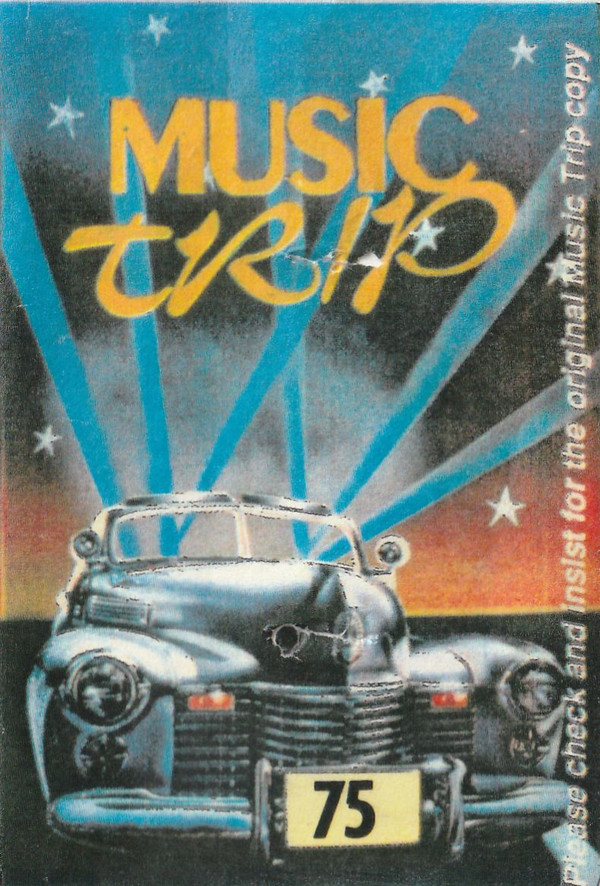
Growing up, radio played a key role in Owen's early exposure to electronic music. Radio shows like Brian S's Hip Hop on Radio 101, as well as Brian James' Techno Nation on Smash Radio, opened up different corners of music culture at a time when access was not as immediate as it is today. It was through these shows that Owen Jay first heard tracks such as Aphex Twin's Analogue Bubblebath, Joey Beltram's Energy Flash, and music from artists like N.W.A and Public Enemy. Alongside radio, compilations like the Music Trip cassette series and Trance Europe Express introduced Owen to even more artists.
TV shows like MTV’s Chill Out Zone and the Italian show Match Music introduced Owen to deeper and more experimental sounds, including techno, acid house, drum and bass, and ambient music. Match Music’s host, Francesco Zappalà, would eventually appear as a guest DJ at Axis.

Around the age of 14, a friend gave him a cassette by The Orb, which introduced him to ambient sounds he had never really heard before.
At this point, most of what was happening was still largely commercial, with only a handful of electronic events taking place. Owen was too young to attend, and despite people asking why he wasn’t there given his interest in the music, it simply wasn’t practical.
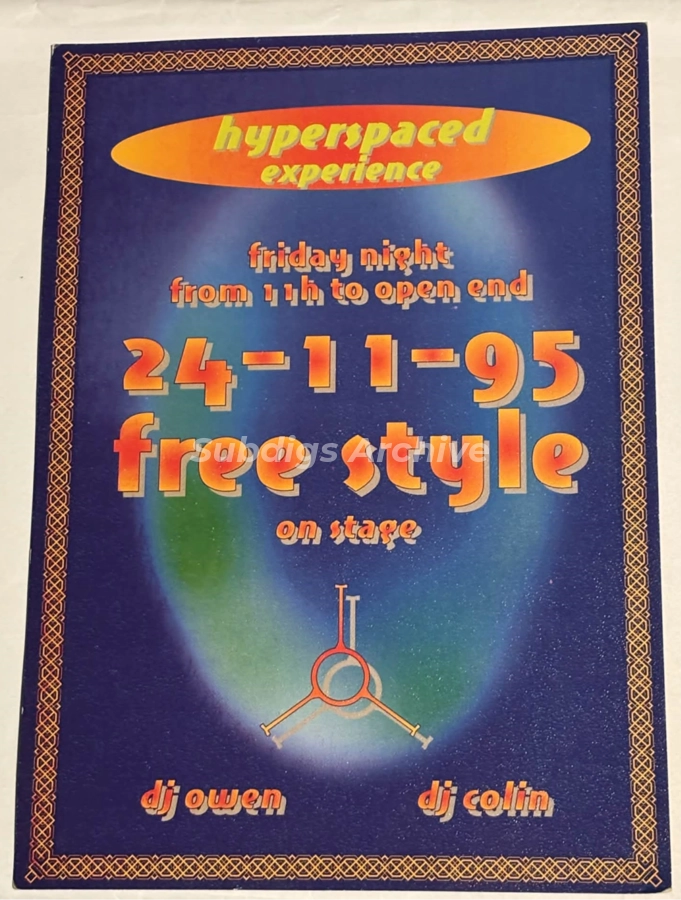
At around 16, he started frequenting Paceville at venues like Ghall Kafe, where a DJ would play records sourced from the UK. Even experiences like this, where Owen would sit down with friends over a hot chocolate, continued to shape his growing connection to music culture. Owen and his friends would then typically make their way to Axis. A few tracks that Owen recalls being very popular at the time include Jam & Spoon’s Stella, Atlantic Ocean’s Waterfall, Age of Love’s The Age of Love, and Hardfloor’s Acperience. Occasionally, they’d also go to Freestyle, a venue within Axis that played less mainstream than the main room. These nights were influential because they brought in UK DJs and introduced deeper forms of house music.
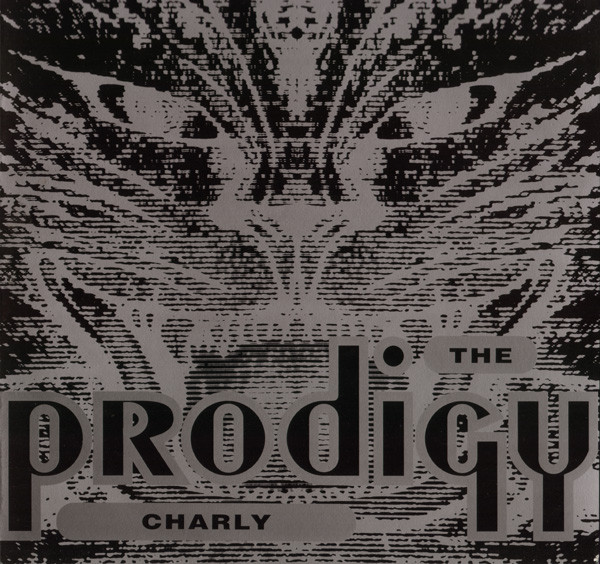
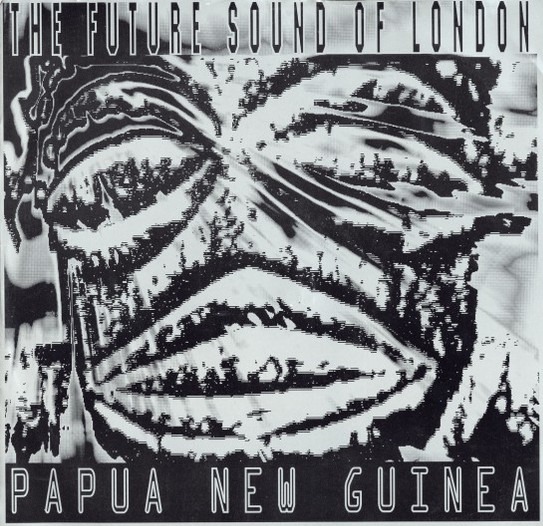
Another club was Black Rose in Bugibba. When he visited, there was always a short slot during the night where the late DJ Neil Cook would play a handful of electronic tracks such as The Prodigy's "Charly", The Future Sound of London's "Papua New Guinea", music from Altern 8, and early drum and bass and house music. He would wait all night for those tracks, absorbing whatever he could from them.
Across all of this, there was no single lane. Owen's listening habits were broad, ranging from hip hop and rock to experimental music and even death metal. Everything was fair game. That openness to sound would later become a defining part of his own musical identity.
Music Collector and Early Vinyl Buying
By the time he was in high school, Owen had already moved from consuming music to actively digging for it. What started as curiosity quickly turned into a more unusual and hands-on way of building a record collection, especially compared to how music is accessed today.
During a trip to Italy, he visited a record store, took the owner's contact details, and agreed to buy records remotely, with the owner playing and describing them over the phone.
From that point on, any stipend he earned from school often went into buying a "Telecard" so he could make international calls. He would phone the store in Italy, listen to records being played down the line, and choose what he liked. At first, he didn't always know the artists or labels he was listening to, but he selected records based on what he liked.
Over time, a pattern emerged. The store owner began to recognise the styles he gravitated toward and would start setting aside records he thought Owen would like. The process became almost collaborative. He would be told what had arrived and what was being held for him. Owen would call back days later to check for new arrivals, sometimes only hearing one or two new records at a time, building toward a batch of around ten records.
Once an order was confirmed, the process was far from instant. Living next to an office, Owen would sometimes ask for invoices to be sent there via fax from the music store in Italy, as writing out cheques required some form of justification. He would take the invoice to the bank to issue a cheque. The cheque would then be taken to MaltaPost and sent to Italy. Once received, the store would deposit it and wait for it to clear through their bank before the records were shipped. The full process could take around two to three months.
At the same time, he was also sourcing music from the UK through New Musical Express newspaper, which he would find at airport kiosks in Malta. The newspaper's electronic music section became a key reference point. He would go through the record listings from Sister Ray Recordings, noting down records he liked, then call them directly to place orders in the same way he did with the Italian store. Similarly, Owen had requested to be added to the Hard-to-Find-Records' mailing list and would receive a printed catalogue every few months, featuring records with cover images and short descriptions. This created three main supply lines for his records, one in Italy and two in the UK.
Through these channels, his collection began to form around labels such as Strictly Rhythm, Nervous, Power Music, Junior Boy's Own and Tribal America (Owen remains drawn to this style to this day). The relationship with the Italian store in particular meant he gradually ended up owning most of the Power Music catalogue, as it was a label he trusted so much that he didn’t need to listen to them in advance.

This meant that not all the records he purchsed were to his liking, but back then, access mattered more than curation. To illustrate how limited access to music was at the time, owning records was effectively a competitive advantage when starting out as a DJ. The effort Owen put into sourcing records did, in fact, eventually help him break into the music scene. Owen recalls covering the centre labels of his records to hide their identity so other DJs couldn’t copy them.
In the following years, he started travelling with the sole purpose of record shopping. This also expanded his search to records released before he had started buying music, as up until then he had mainly been exposed to new releases as they came out.
Owen also became a regular at local record stores such as Megatech, Idol and Genetix, with Idol being the primary source for US imports from Record Time distribution in Detroit, while Genetix was more focused on European techno.
The culture of buying records naturally shifted online over time, but one thing remained constant: whatever the format or approach, Owen remained an avid record collector.
First Gigs and Early DJ Sets
Around 1993, Malta had very few venues where DJs could play. However, with a growing record collection and regular visits to Paceville, Owen began playing in some small bars. He'd often show up at these bars carrying his records, hoping to get the chance to play.
Since electronic music was not yet properly defined as a genre, there was sometimes resistance to these new sounds. It was a time when you couldn't really talk about techno or house as established concepts. You were either into rock or you weren't. Because of this, bar owners would often wait for rock crowds to leave before allowing electronic sets to be played.
Owen adapted to the environment by playing a wide range of music, from artists like CJ Bolland, Polygon Window, Moby, Joey Beltram, Scanner, Jeff Mills, F.S.O.L., LFO, Black Dog Productions, Plaid, Orbital and Juan Atkins. It's worth noting that at the time, the emphasis was more on playing whatever you had and seeing how it worked, rather than curating a specific style or sound. This was partly due to the limited access to music and the fact that audiences were generally open to whatever was being played, as long as it sounded different from the mainstream.
First Industry Connections and DJ Community
During his first year of high school, Megatech opened in Gwardamangia; a music store with turntables and a space that quickly became a meeting point for clubbers. Owen would often go there when lecturers didn't show up, spending time listening and digging through records.
It was there that he first met the late Desmond Vella of Exit Promotions, who at the time had a small corner in the store selling T-shirts, bracelets, and other items. Since Megatech used to sell event tickets, Desmond would guide ticket buyers on what to wear to match each event’s dress code. Desmond would go on to become an important influence on how people dressed during that era.
It was also here where Owen met David Dee and DJ Colin.
Around the same period, he also began meeting other people through music spaces and gatherings, including Brian James and others who would later be associated with the Sonic Mecca circle. He connected with Brian James in particular over a shared passion for music.
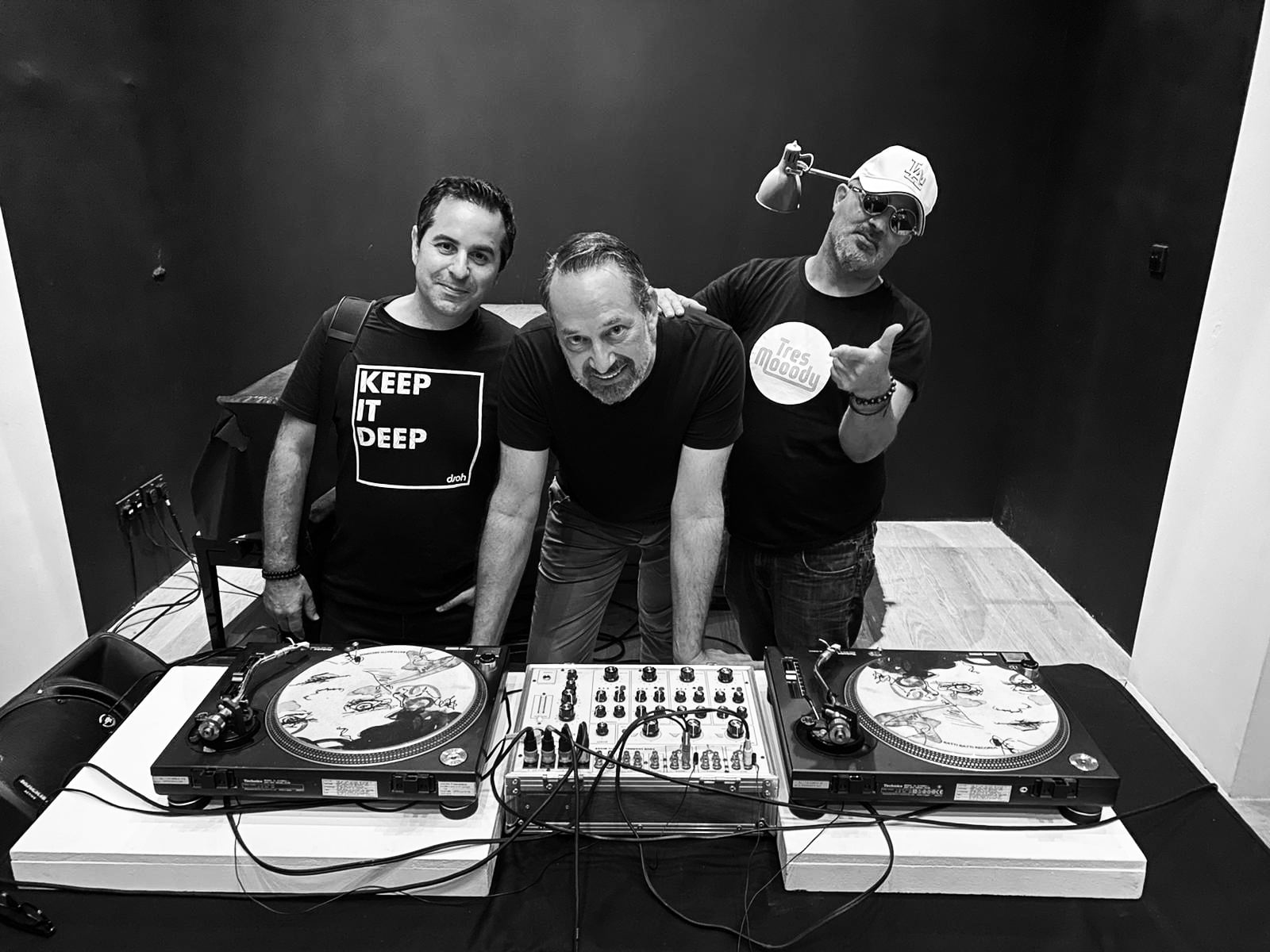
On another occasion at Ghall Kafe, David Dee happened to drop by and the conversation continued around music and DJing. David mentioned he was planning to open a DJ school.
Even though Owen had already played a few gigs and wasn't new to the craft, he still joined as he wanted to learn how to beatmatch and stay connected to that group of people and the wider scene forming around them. He did not attend the first course but decided to join the second. Among those on the first course was DJ Ruby.
Growing Scene Recognition
After completing the DJ course in 1994, Owen started playing at Peppermint Park. It became an important space for early exposure and recognition.
His first party experience came through a night held at DewDrops in 1994, organised by Joseph Felice, who would later go on to found Sonic Mecca. Owen explains that he was feeling a mix of nerves and anticipation about playing his first proper gig, and it turned out to be a successful performance.
From that gig onwards, he occasionally played at Going Places alongside Paul Works.
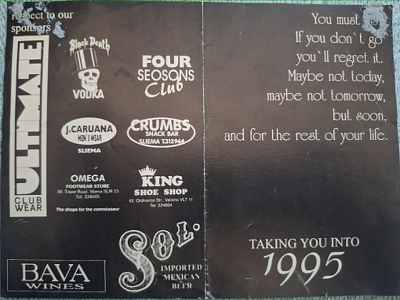
His first appearance at a major event was an NYE party called "Taking You Into 1995" where he played from 10pm to 12am.
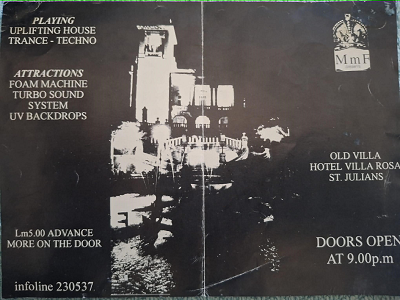
From then on, opportunities started popping up left, right and centre. Owen points out that the DJs playing around that time were few in number and that the same small group of DJs tended to appear across almost every lineup, namely himself, Brian James, Colin, David Dee, DJ Ruby, Brian S, Dj Love (Tekluv), Paul Works, DJ Pierre, DJ Duncan Camilleri and a few others.
Mauro Di Martino and Carlo Di Rosa would sometimes come over from Italy.
In fact, Owen says that Mauro Di Martino was his biggest inspiration at the time. Mauro had already developed a strong reputation locally by playing at some of the earliest electronic parties on the island, and later became a resident at Axis, as well as The Bone. He was also one of the first to notice Owen's unique style. When he visited Malta, he would often bring records for Owen and Brian James, which was a real highlight.
At times, a typical night for Owen in the mid-90s would see him start by playing the opening set at Impact Street, where he and DJ Ruby were residents. From there he would move on to Places for a second set, and there were times where friends would then drive him across to Gozo to play the La Grotta set from around 3–5am. During the summer months, Gozo became a regular part of the rotation, with those early morning sets forming a key part of the experience.
A Breakthrough at Numero Uno
In early to mid-1995, a promoter who also used to organise events at Axis invited Owen to play at Numero Uno for an event called The First Born. It was Owen's first time playing at Numero Uno, and he had been asked to step in for DJ Duncan, who had originally been on the lineup.
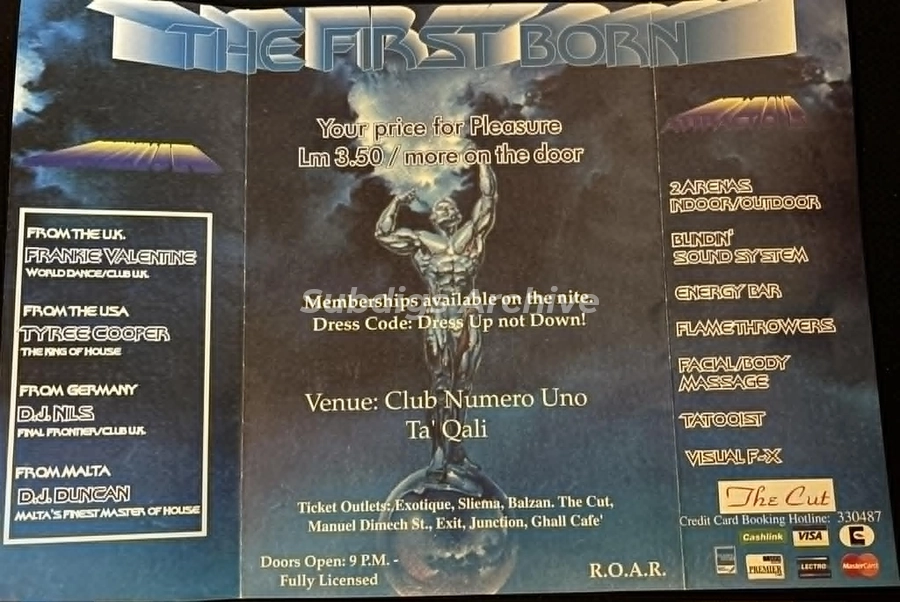
The bill also featured Tyree Cooper and Frankie Valentine. Tyree Cooper ultimately did not make it to the event and was replaced by Simon Shurey. During Owen's set, Frankie Valentine enjoyed what he was playing and asked him to play for an extra hour. Owen ended up playing for around three hours, something that felt significant at the time given the amount of vinyl involved and the experience required to hold a set for that long.
The following day, Frankie Valentine spoke very highly of Owen, which significantly raised his profile within the Axis circle. DJ Colin who was a resident at Axis, invited Owen to join him for a few nights at Freestyle.
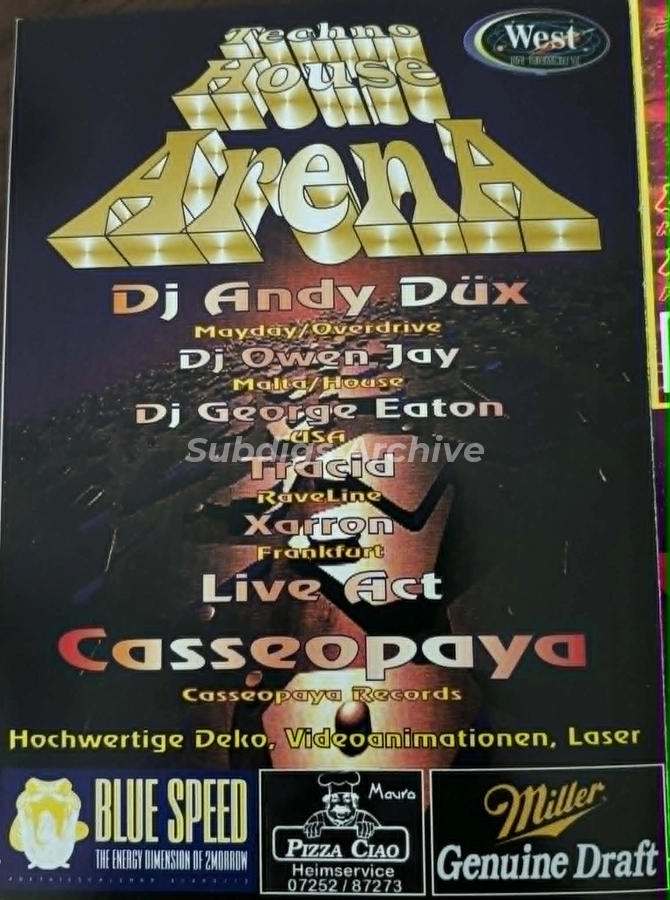
Owen also recalls a conversation with Simon Shurey during the event, where Simon praised the style of Chicago house he was playing and mentioned that it was a style that was popular in Germany. At the time, Owen did not even realise that what he was playing would be considered Chicago house. To him, it simply sat somewhere between house and techno. Simon offered to connect him with people in Germany and help him secure gigs there if he ever decided to go. A few months later, that connection materialised, leading to Owen's first opportunities to play in Germany.
From House to Techno and First Steps in Production
Owen started off playing house music, but as parties began to grow, he found he was often being given opening slots, so he shifted more towards techno. Even then, he always maintained a distinct style. With house, it was more deep and soulful, while with techno it was primarily Detroit and Berlin techno.
In 1997, Owen started becoming more interested in production after meeting Edwin and Frank from Duo Blank who had a studio at David Dee's DJ school.
Owen and his friends started experimenting with production in the attic of his parents’ house after buying a Roland MC-303 Groovebox and a synth. The process was far from easy though, since such gear was limited locally. Owen recalls one instance of someone returning to Malta with a Technics turntable in their hand luggage, which shows how limited access to equipment was at the time.
Owen was also an avid reader of the Future Music magazine, which helped shape his early understanding of production techniques.
It was also around this time, 1998 to be exact, that Liquid Club opened its doors. Owen explains that it was the only club that truly embraced techno with open arms. He played there countless times over the years, describing how it was the perfect venue for promoters to host renowned techno artists.
Tinnitus and a Major Breakthrough
In 1998, Owen released Tinnitus on Sonic Mecca Recordings, with additional production contributions including Duo Blank and Brian James. The release was officially Malta's first techno album.
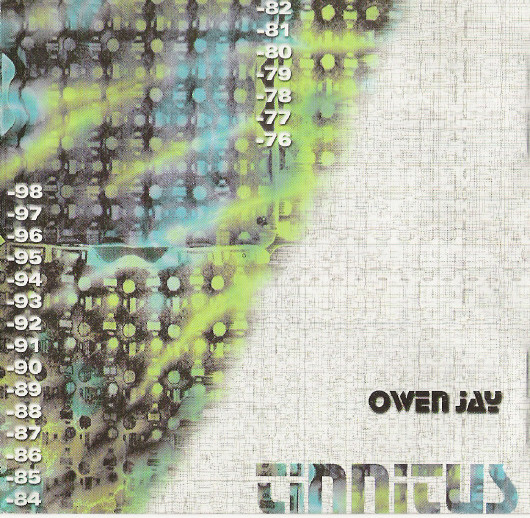
The album marked a major turning point for Owen and gave him his biggest boost up to that point. One of the tracks caught the attention of Carl Cox, who not only played it regularly but also listed it in Mixmag. Owen recalls that Carl Cox would often use the track to open festival sets, something that significantly increased the album's reach beyond Malta.
Over time, Owen would also hear from Maltese clubbers and travellers who remembered unexpectedly hearing his music played at festivals abroad, moments that reinforced the impact the release had at the time.
Those who frequented White Arrow in Msida may recall tracks from Tinnitus being played through the bar's jukebox.
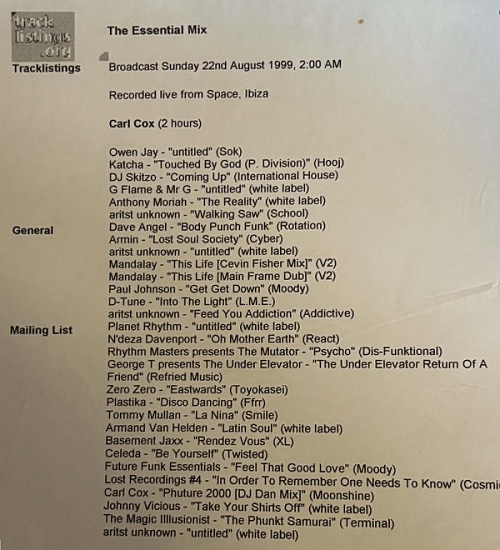
Later on, a few tracks from the Tinnitus album were released on vinyl via Søk. The connection came through Chris Liebing, who was in Malta for a gig at the time. A local contact suggested Owen meet them, and the album was played to Chris Liebing on a car sound system. After listening to it, Chris said he would try to get some of the tracks pressed on vinyl.
About a week later, Owen received a fax from Søk confirming the release. This marked his first vinyl release.
The year 2000 also saw Owen play his first live PA at La Grotta, performing a blend of house and deeper techno. The set marked an important step in his development as a live performer and reflected the direction he was moving in at the time.
The Misfits Era and Return to House
Around 2000, Owen felt that techno had become too hard and monotone, with very fast tempos that no longer appealed to him. As a result, he shifted his focus back towards house music.
Around the same time, he bumped into his old school friend Rowan Carbone at a party, who mentioned that he had just opened a small bar in Paceville called Misfits and suggested Owen come down to play. Owen agreed to check it out the following week.
From 2000 to 2005, Misfits became his main focus. He began helping to organise parties there, including boat events, while still continuing to play at other events.
During this time, Owen also hosted a Misfits radio show on A3FM. This wouldn't have been his first radio stint, as he had also hosted a radio show with Brian James called Mockmoon, which aired around 1995–1998 on various stations.
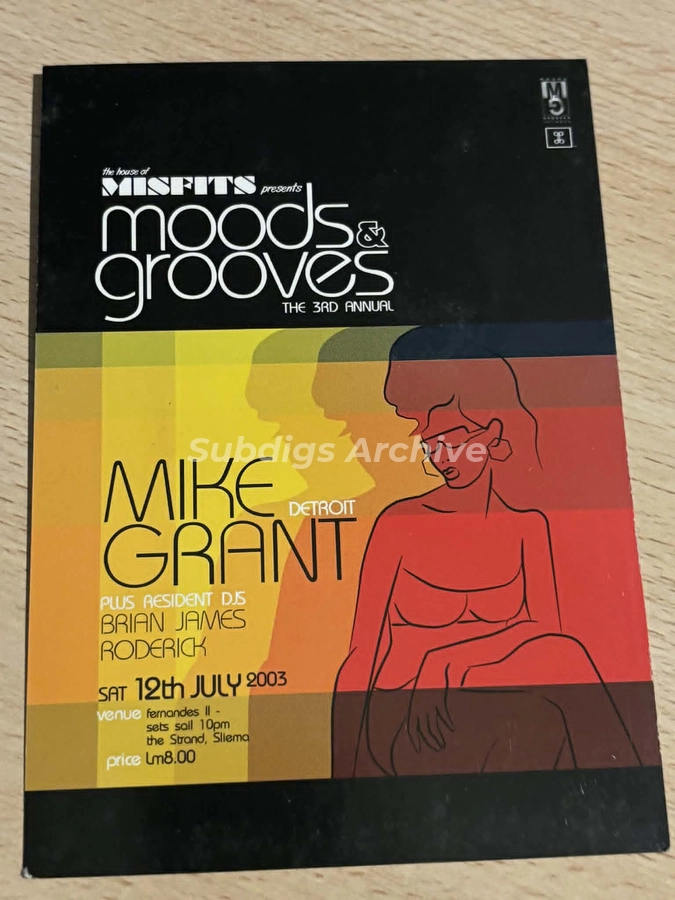
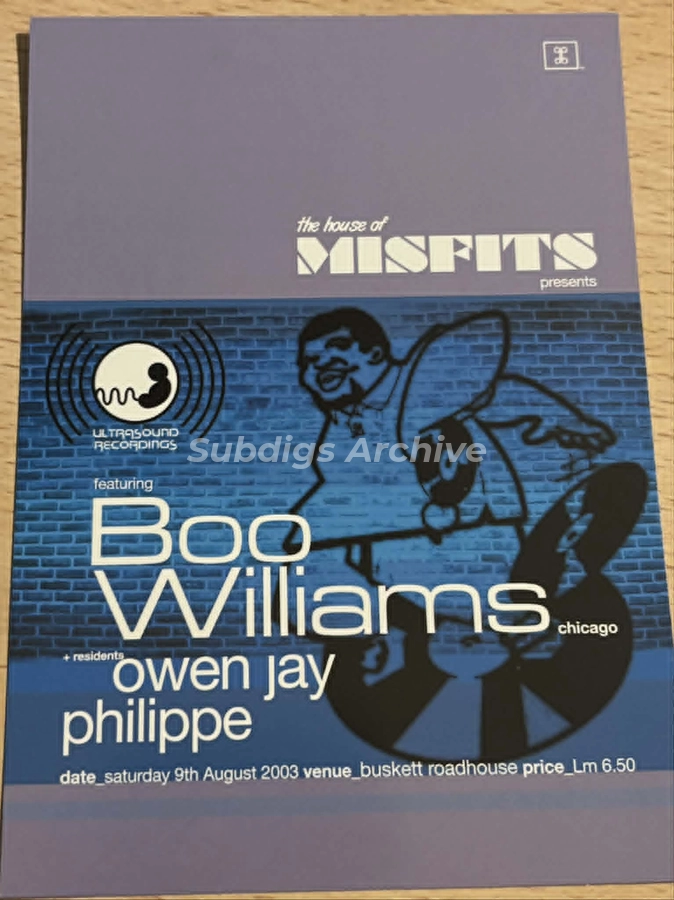
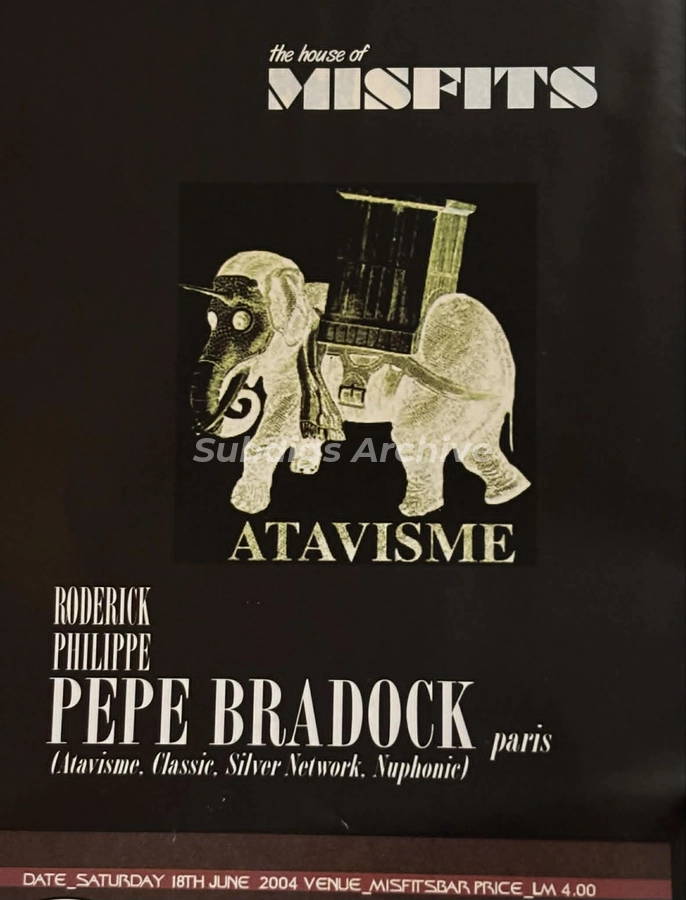
Through Misfits, they brought in artists such as Mike Grant, Boo Williams, Pepe Bradock, Daniel Wang, Charles Webster, Frankie Valentine, Mike Huckaby, and Matt Pond.
With all that happened during this period in the scene, it's close to impossible to mention everything. However, this story captures key events and activities from Owen's perspective within the scene.
This is Part I of a multi-part series. The story continues in future parts, where we will explore Owen Jay's journey after 2005.