Story
David Dee: A Pioneer of Malta's Underground History

David Dee's name runs through nearly every chapter of Malta's early rave and dance music history. From playing disco off a jukebox-turned-DJ-booth in Paceville to opening Malta's first DJ school, playing the notorious SIN parties, and helping launch clubs like Generator and Pushka, David Dee's career traces the shape of Malta's dance music scene as it went from disco nights and mobile discos to a fully-fledged underground culture.
We sat down with David Dee to hear the story in his own words.
Origins
Before Paceville became the centre of Malta's nightlife, the earliest places playing dance music and disco sounds included Caravel, Raffles, Thursdays Disco, Stardust, Club 47, as well as Tigullio in St. Julian's, considered one of the best clubs of its time and a regular source of disco music. It was there that David first felt the pull of the sound, and it didn't take long before he started wondering what it would be like to be the one playing it.
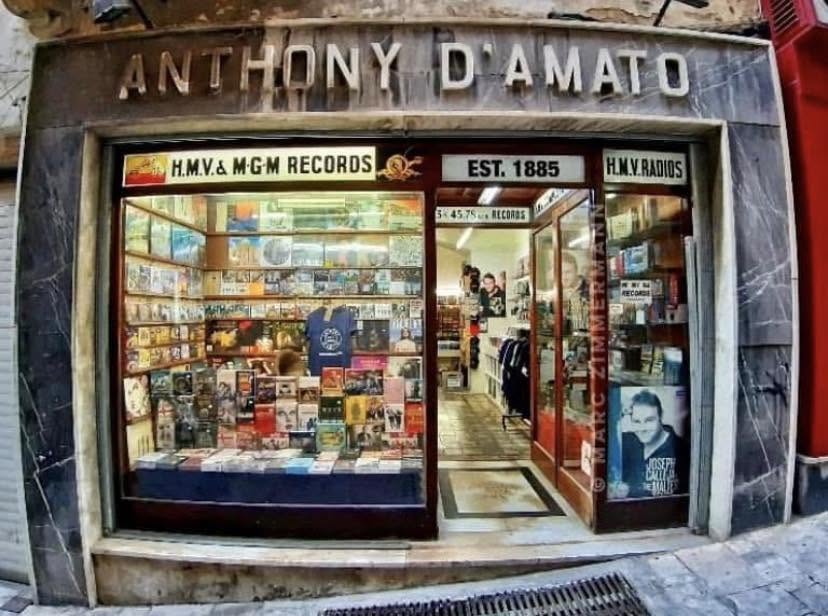
Record stores were scarce. Malta only really had one, D'Amato, which is still around today and had a solid collection of LPs. The very first record David bought there was Patrick Hernandez's Born to Be Alive, a fitting first step into what would become a reputation for playing disco.
With few clubs around, most DJs of the era started out running mobile discos instead, building up a record collection along the way. David did the same, starting a mobile disco with a friend before eventually making his way into Paceville, where clubs like the Dewdrops, the Styx, and later the Stones Discotheque, were among the names shaping the scene. DJing back then wasn't about mixing. It was about reading a crowd and playing the right song at the right time. Bars, meanwhile, didn't really have DJs at all.
That changed when David was approached about DJing at a bar called The Alley. He agreed to meet and turned up expecting some kind of proper booth. Instead, he was shown a two-foot-wide space behind the bar with a single cassette deck. "This is the DJ booth," he was told. Half-stunned, David asked what exactly he was supposed to do, and was told to play a track, watch the crowd, then switch over and cue the next one on headphones. It sounded like a lot of work for a cassette deck, but when he played his first Saturday there, the place was packed, and The Alley became one of the go-to spots in Paceville.
David recalls the late 80s being dominated by bands like Human League, Duran Duran, U2, and Simple Minds, and he had to work that sound in around the disco he loved, since disco itself was starting to fade in favour of new wave and new romantic. He kept playing it where he could, but had to read the room.
Around this time, the Dewdrops stood out for its simplicity, and it was the first place David ever saw Technics turntables in use, a rarity when most DJs were still working off belt-drive decks that made it harder to cut cleanly from one track to another. It was there that he first watched Albert Galdes work out a track's tempo by hand, then write the BPM on a sticker before mixing it in. David had never seen anything like it, and the idea of knowing a record's tempo that precisely stuck with him.
Then Zanzibar opened, a new venue on a great corner spot on St. George's Road, styled around an American diner theme, pink Cadillac included. A friend suggested David go and talk to the owner about DJing there, only for David to find out the venue's idea of music was a jukebox. When the owner asked if he wanted to play there, David asked, half-joking, whether that just meant feeding coins into the machine. The owner said no, and instead asked David what he needed. David laid it out: turntables, a mixer, a proper sound system, a monitor. He'd been playing off TDK tapes up to that point, so this alone felt like a leap. The owner didn't blink. He said he'd build David a setup from scratch, but wanted to know how often David could commit to playing. What started as a casual "two or three nights" question quickly escalated into an offer to play every single night of the week, for ten Maltese lira a night, which worked out to roughly 280 a month, on top of whatever David made at his day job, more money than he'd ever expected to make from DJing.
Leaving The Alley for it wasn't easy. David remembers it as a genuinely heartbreaking conversation, though the owner took it graciously, telling him he had nothing but respect for the move. Zanzibar quickly became the spot where people gathered before heading to the clubs, especially with venues like the Styx and Axis also drawing crowds nearby. It was also here that David realised the game had changed again. Nobody was working off tape decks anymore, and mixing from one vinyl record into the next was the new baseline. Just as important, if you weren't a "microphone DJ," you weren't taken seriously. Part of why DJs from England were in such demand at the time was simply the accent they brought to the mic. David, by his own admission, wasn't confident on the mic yet, and Zanzibar's format at the time was built around DJs working through a set sequence of styles through the night so people knew when to show up for what they wanted to hear.
The next step came through Joe Qoni, who at the time owned Lido St. George, a major summer destination where, as David puts it, all the "celebrities" of the day would show up. Joe came to Zanzibar to offer David a DJ slot there, on the condition that he pick up the microphone. House music wasn't really established in Malta yet, even though it was already well underway in Chicago and Detroit; locally, people just called it "garage." To get comfortable on the mic, David leaned on a track he already knew inside out, Sugar Hill Gang's Rapper's Delight, using its lyrics as a way of training himself into the role.
Joe then opened another venue, Le Club, alongside Ghall-Kafe, which had already become a fixture as a 24-hour spot people went to after the clubs closed. It was at Le Club that David properly learned to DJ mix. The venue had proper decks left over from the previous owner, and David spent hours there learning to trust his own mixing skills.
SIN Parties
In the early 90s, the idea for what would become the SIN parties came from two guys, Kareem and Jair, who wanted to throw something different: a private party, a concept that barely existed in Malta at the time. Joe was involved from the start, and the first one took place at Natasha's, a venue that was already popular within Malta's gay scene. Only around 40 to 50 people were invited. Once the door closed, it stayed closed. David played warm-up for a DJ brought in specifically to play garage music, a sound that was still completely unfamiliar to most of the crowd. It didn't matter. The party worked, even if only for a small number of people.
They wanted to push further, and the next one nearly doubled in size. That growth came with risk. A bigger, more visible gathering meant more attention, potentially from the police, so the same "lock the doors" discipline carried over. It worked again, and this run of parties eventually took on the name SIN, originally short for "Sex is Natural" before being renamed after the phrase started attracting the wrong kind of attention. To David, none of that reputation matched what the parties actually were: good music, a good crowd, a good atmosphere.
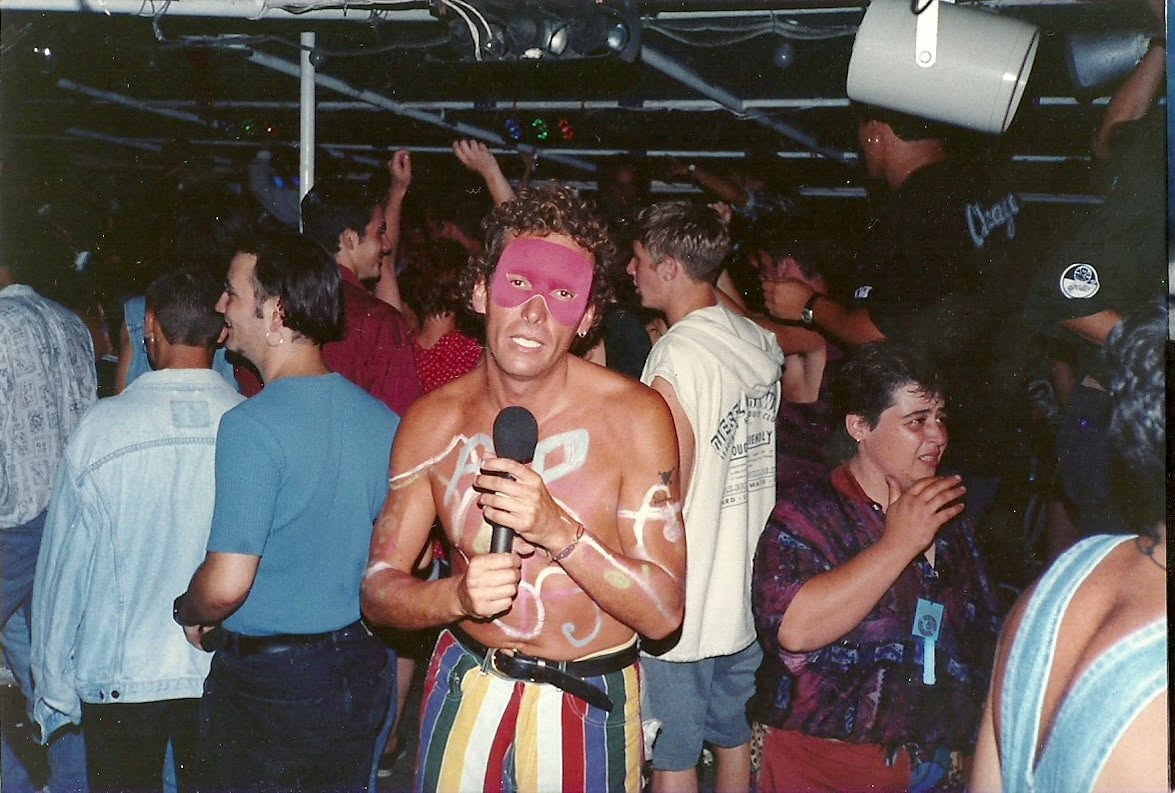
As the parties grew, so did the need for bigger venues. One was held at The Plants in Baħar iċ-Ċagħaq, styled with a dark, underground look and lit mostly by candles. Later, they hired the Karwela ferry for a boat party, bringing in an MC known as Bobby Devil, whose voice and presence turned him into a genuine character on the island's scene.
Word spread further with each event, and eventually the eyes watching the SIN parties weren't just other clubbers, they were other clubs and the police, curious about what exactly was going on and whether drugs were involved. David recalls that he wasn't comfortable playing certain venues, worried about being arrested.
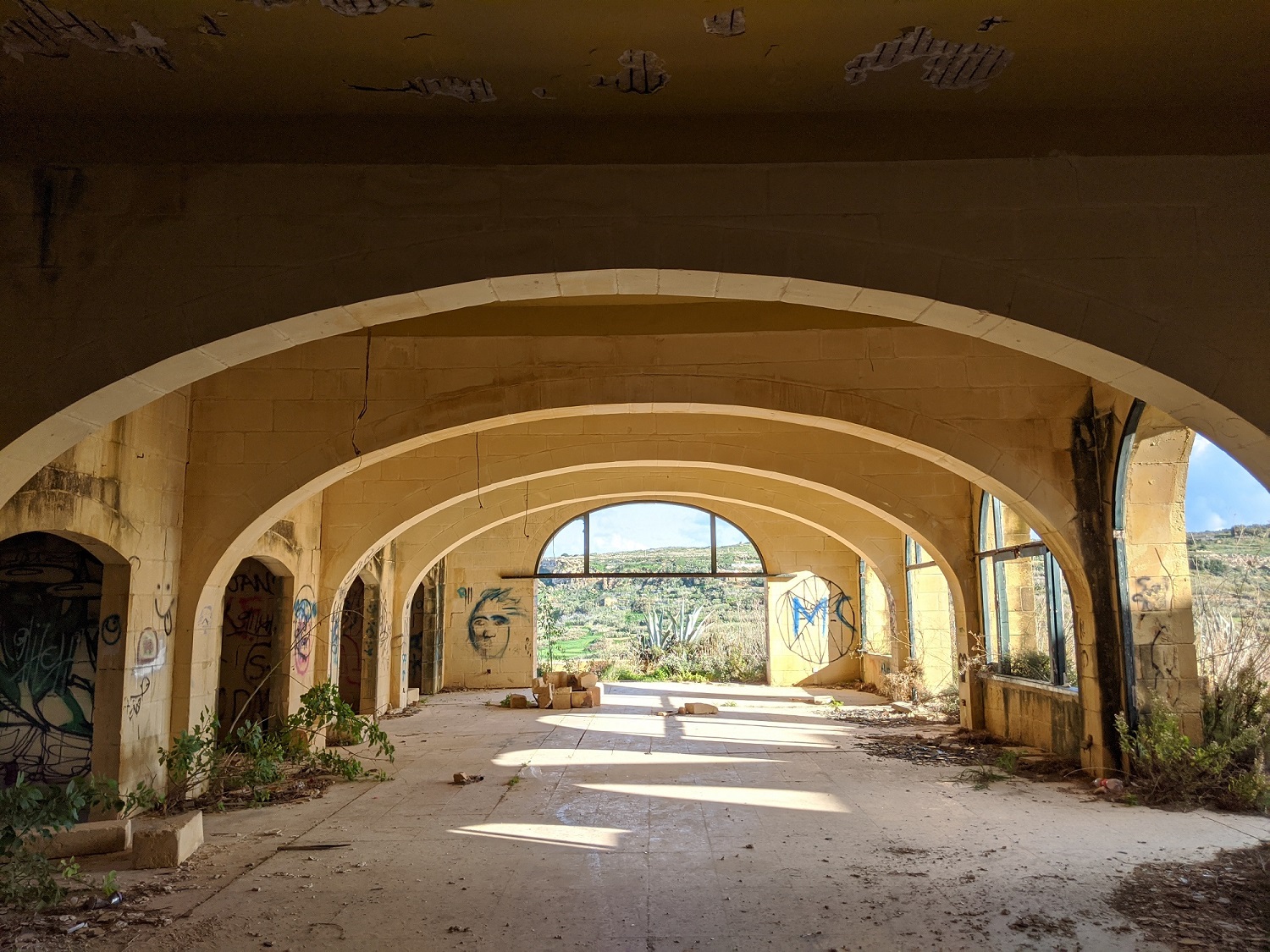
One of the most memorable SIN parties took place in 1993 at Ulysses Lodge, an abandoned site in Gozo being transformed with candles, cages, and altar pieces. It was during that setup, before the party had even started, that David stepped outside and spotted two priests standing alongside a group of police officers. The police told them they were shutting the whole thing down, having taken one look at the candles and cages and concluded they'd stumbled onto preparations for a black mass. It took a tense back and forth to convince them it was just a party, before they were finally allowed to continue. When the night itself went ahead, complete with live percussionists and congas, it became, in David's words, one of the best parties of that era, and the moment when a real rivalry started forming between the SIN parties and the established clubs, who resented the crowds they were pulling away.
That rivalry spilled into the press. The SIN parties ended up on the front page of a Sunday newspaper, framed in a way that made David and the others feel like criminals for throwing a party. Even the Church got involved at one point, after a printing defect on one of the flyers, which used Michelangelo's Creation of Adam, left one of the fingernails looking black, which some took as a satanic symbol. The backlash, he believes, came down to one simple thing: it was new, and anything new got tangled up with assumptions about sexuality and scandal.
Rather than back down, they pushed forward with another event, this time at Buskett Roadhouse. If Ulysses Lodge was one of the best nights, Buskett was one of the strangest. The same cage-and-candle setup went up again, but this time a long queue of police formed outside, driven by the newspaper story and its false claims of sexual activity at the parties. In response, the promoters invited the parents down to see for themselves, watching the whole night unfold. David recalls it as a strange sight, along the lines of seeing your own mum and dad standing there, watching people simply dance and have fun with nothing untoward going on. Despite it all, the night was one of the best they threw.
But the pressure kept building. Every time David went to play, he and the other DJs would have to pull out every record for police inspection before being allowed to start. Eventually, the toll of constant scrutiny outweighed how good the parties themselves were, and the SIN parties came to an end.
The First DJ School in Malta
With a basement at his late father's house and a sense that something in the scene needed fixing, David decided in 1994 to open a DJ school, Malta's first. He placed an advert in The Times of Malta, expecting maybe ten or fifteen people to show interest. He got around 40 applications instead. He turned the space into a small office with a proper studio and DJ stand, and the calls started coming in from all over the island.
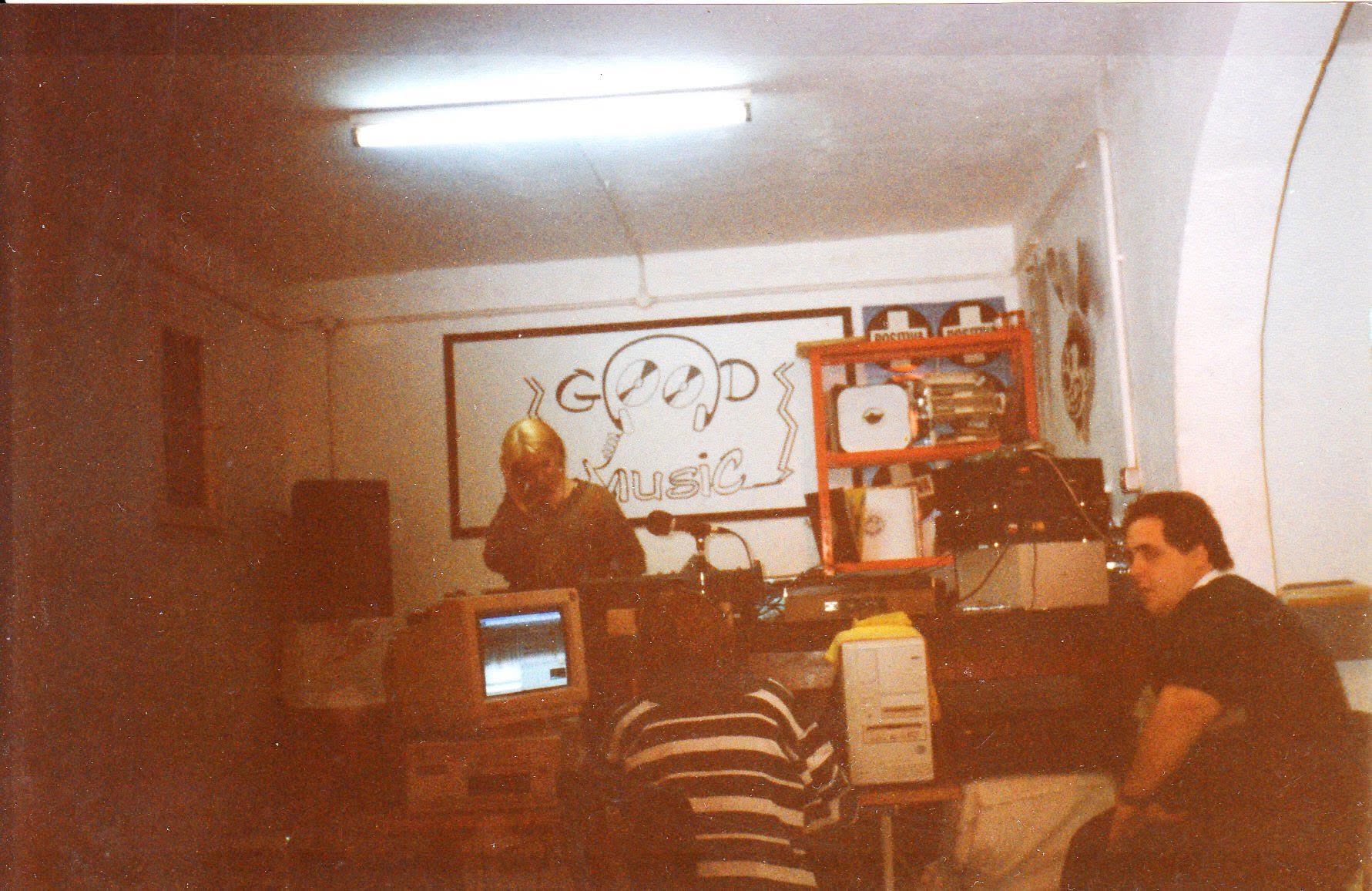
Among the names who came through the school were DJ Ruby, Owen Jay, Joseph Armani, and JJoy, all of whom would go on to become well-known names on the island. David had pictured running twice-weekly ten-person sessions, but demand quickly forced him into running it daily, in two sessions a day, just to keep up.
Generator Club
In 1994, the late Hugo approached David with news that he was opening a new club, right opposite Axis, then known for its laser shows and considered one of the island's biggest names. David thought the location alone was a bold, borderline reckless move. Hugo wanted David as the club's DJ, and when David finally saw the space mid-build, he was sold: underground, minimalist, no sofas, no mirrors, just cages, a gallery, and a genuinely massive footprint. The club was named Generator.
DJ Ruby, who'd come up through David's DJ school, became the warm-up DJ for the younger crowd, playing an early slot that closed around nine or ten before the club reopened later for the older crowd, a format several venues of the era used to maximise the night. Much of the competition between clubs at the time came down to drink pricing, with venues undercutting each other on free drinks to pull in bigger crowds.
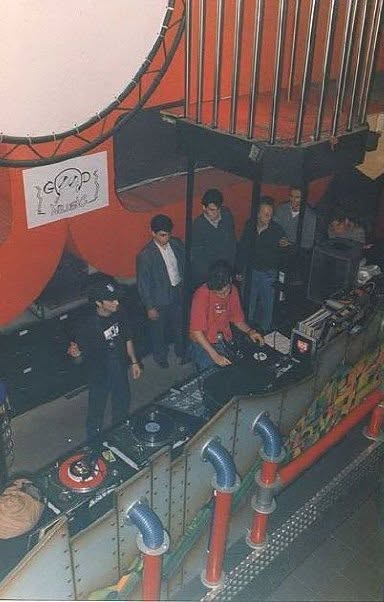
Musically, it was a constant tug of war. David wanted to push the underground, garage-leaning sound he believed in, but a large part of the crowd just wanted to hear Robin S on repeat, six or seven times a night if they could get it. Educating the crowd was, as David describes it, simply part of the job.
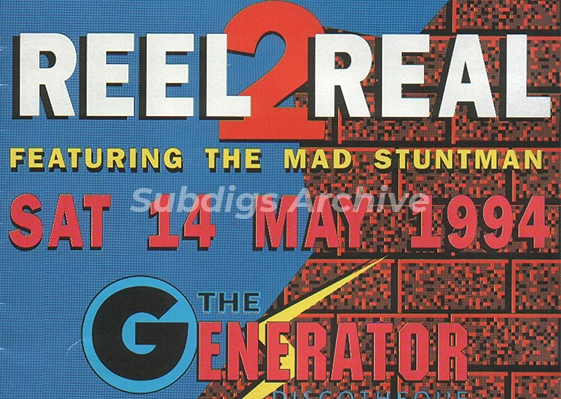
In 1994, they brought over Reel 2 Real, Erick Morillo's project behind "I Like to Move It."
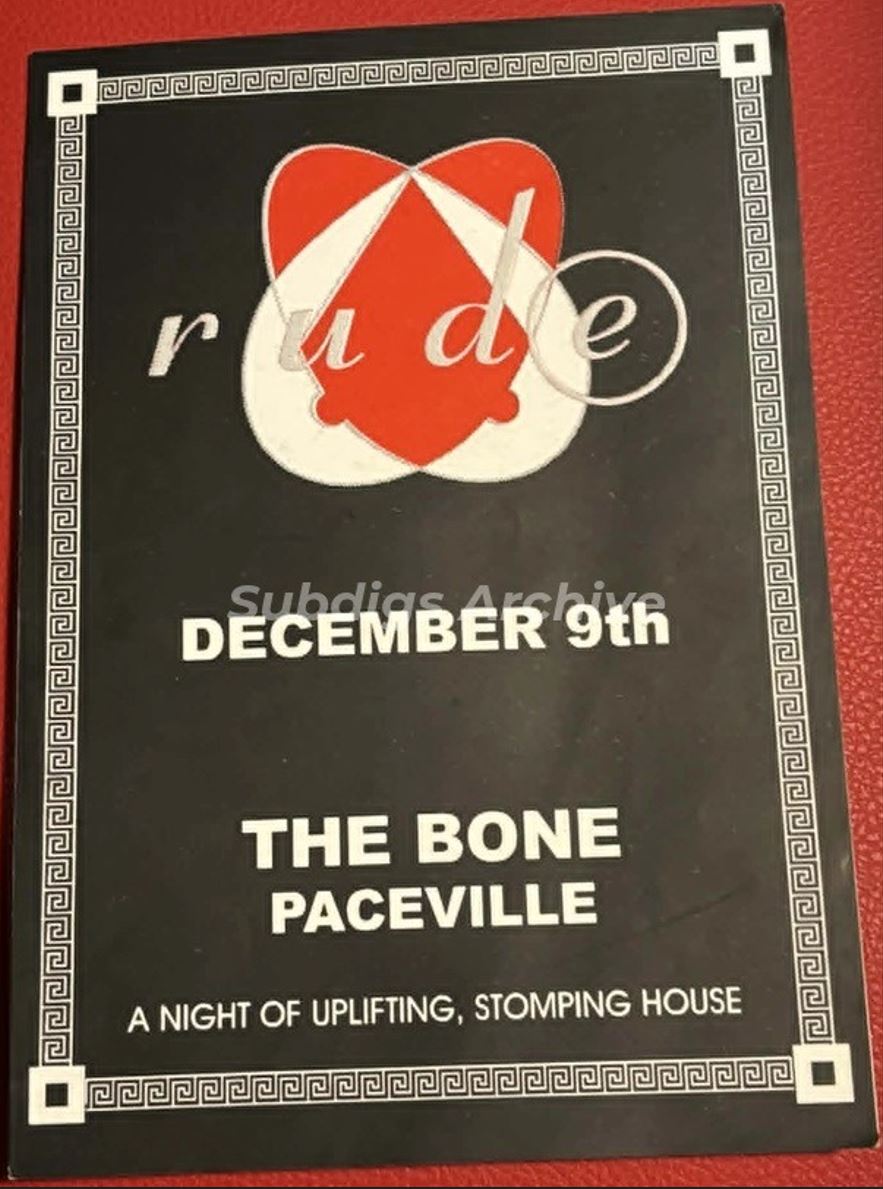
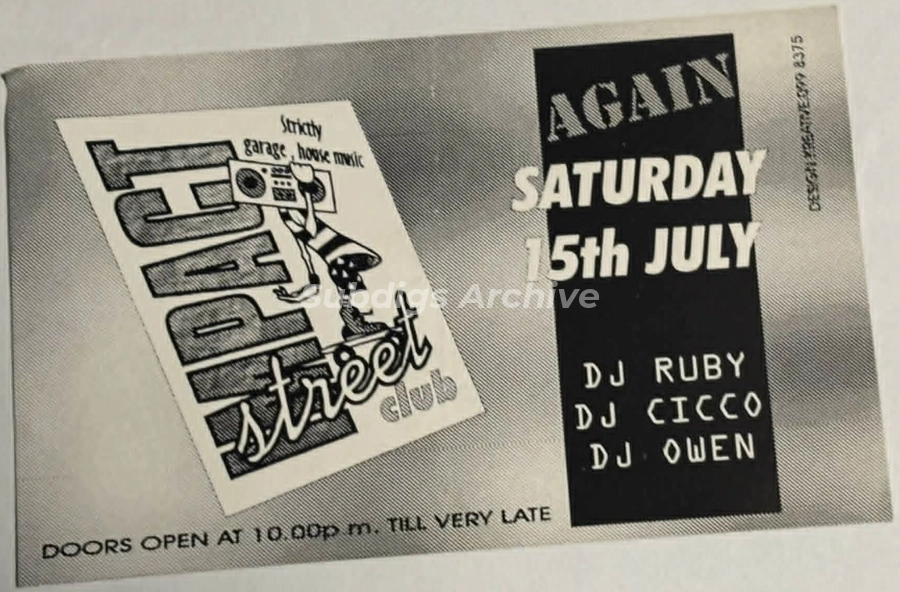
Given its size, keeping Generator running as one single concept became unsustainable, and it eventually split into separate rooms and identities, including The Bone and Impact Street Bar. Over time, that same space cycled through different names and formats, including Havana. Even Axis had to adapt, eventually opening Matrix as an after-hours room aimed more at the underground crowd, even if, as David notes, it wasn't quite as underground as people liked to call it.
Pushka
Pushka opened in 1995, but it took a long time and a lot of money to get there, not least because of the permit situation. The paperwork was technically still registered as Palazzo Pescatore, a restaurant known for its resident violinist, and turning that into a fully soundproofed club took considerable work. Joe pushed ahead anyway, and the opening night lived up to the effort: the place was packed and, in David's words, out of this world. Even then, police showed up midway through to have the volume lowered after noise complaints.
The following night, nobody came. Nobody at all. After the high of the opening, David remembers it as a genuinely heartbreaking contrast, a reminder of just how quickly momentum could disappear in Malta's scene.
Sunday Afternoons
Rather than let Pushka sit unused after its rocky start, the idea came up to run events during the day instead, reasoning that afternoon parties were far less likely to draw the same kind of police attention.
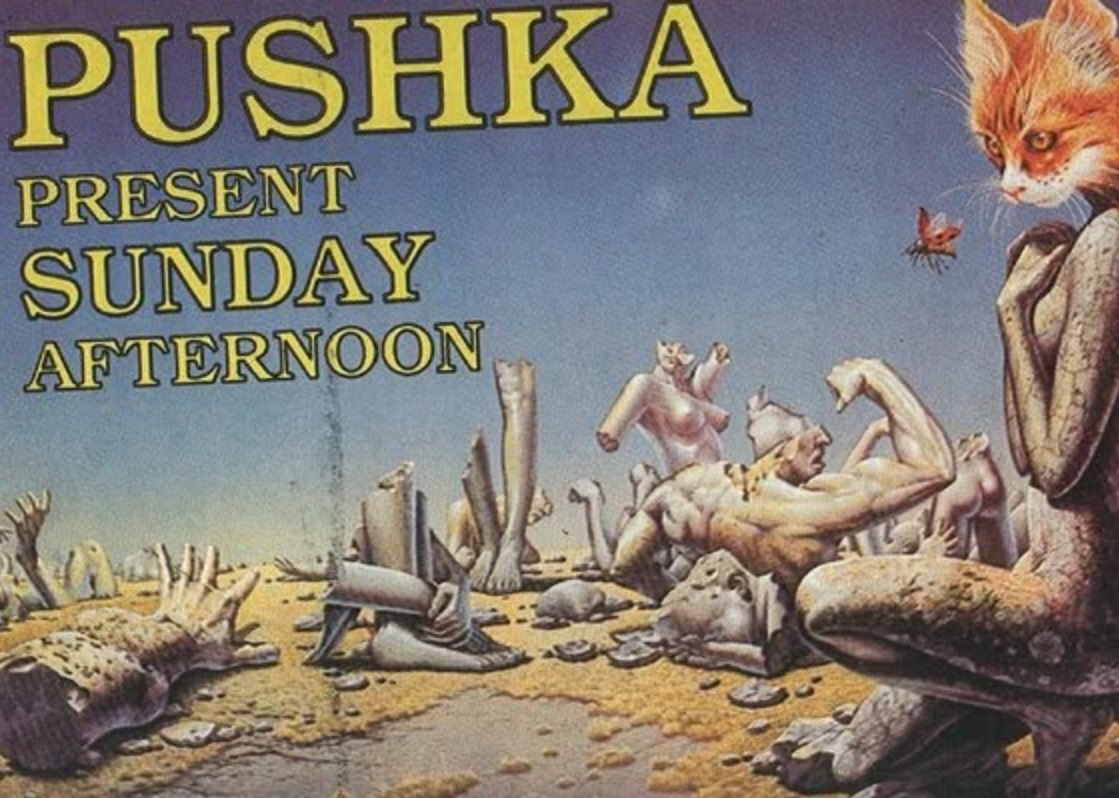
The decks were opened up to essentially every DJ on the island, including many of David's own students from the DJ school, giving them all a platform to play. Entry was just one lira, and the crowd was a mix of younger and older clubbers, since parents were far more comfortable letting their kids out during the day. It quickly became a hit. Like most trends in Malta's scene at the time, it built up fast and eventually faded, running its course before fizzling out entirely, a pattern David had already seen play out more than once.
From DJ to Promoter
Running the DJ school had reconnected David with the wider community in a way that pushed him to want to throw something of his own. The idea he landed on was ambitious: a six-hour set, entirely on vinyl, something no DJ in Malta had attempted before. He knew exactly how he wanted to open it and how he wanted to close it. The date was set for the 10th of February, for an event called Nu Yorican Soul, and he asked Joe if he could use Pushka, which was sitting idle at the time. With a permit secured from the police, the night was set.
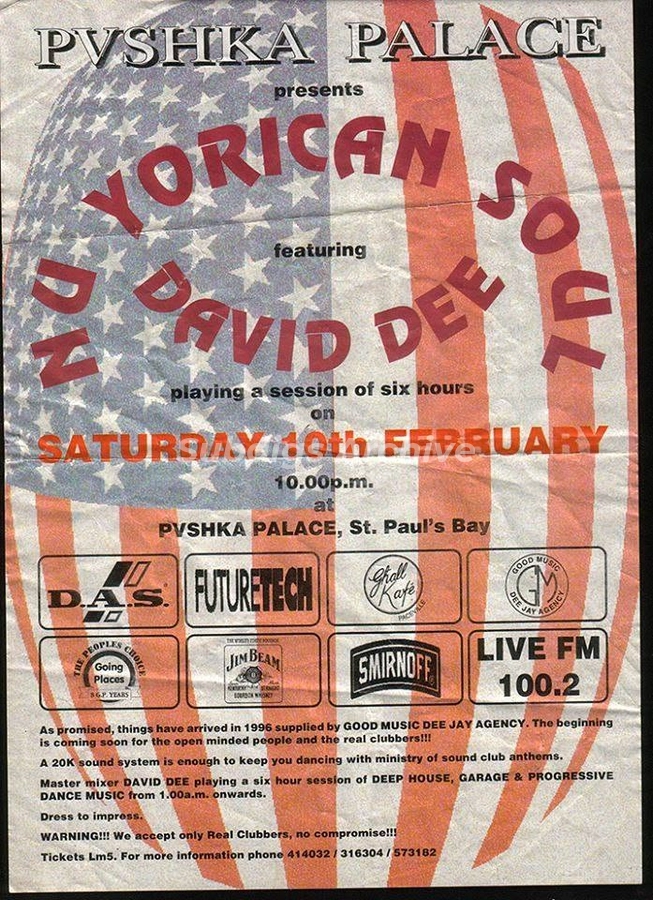
Outside, the crowd turned up in feathers and colour, more carnival than club night. Pushka's DJ booth sat high above the floor, looking straight down onto the dancers below. Ten minutes before his one a.m. set, David addressed the dancers, telling them this one was going to be special, before dropping the opening track, "Deep Inside". The reaction was immediate. The floor erupted.
Five minutes in, the police arrived and told him to cut the music completely. Confused and scrambling, David killed the music entirely, and the reaction on the floor turned to chaos of a different kind. He came close to being arrested on the spot. Outside, people were shouting his name, angry, some asking about their money back, while David, permit in hand, tried to explain to the police that everything had been arranged properly. He was told the permit "doesn't work," and that he'd get it sorted the next day, an answer that floored him completely given the party was happening that same night. Someone later told him that, once his set was shut down, the crowd would simply head over to Axis instead, feeding his suspicion that the shutdown wasn't purely about noise.
Looking back, David sees that night as a turning point, the moment he understood the scene had shifted from being about the music itself to being about business, about the club rather than the record playing inside it. It's a shift he still thinks about today, even as he looks back on that era as one defined by good music, real risk, and a community built almost entirely from scratch.