Story
Malta Electronic Music History: The Underground Scene of the 1990s

Malta's underground electronic music scene in the 1990s was tightly knit and largely built from the ground up by a handful of people who were genuinely passionate about the music. From illegal raves to intimate club nights, this is the history of how a small island developed a scene that punched well above its weight.
The Underground Roots
Illegal raves known as SIN parties were among the earliest underground gatherings in Malta, with only a handful of Maltese DJs typically appearing on the bill. Much in the same way underground culture developed in cities like New York, the gay scene was part of the foundations and evolution of Malta's underground scene. Venues like Natasha's and Freestyle (within Axis), became important early gathering points, drawing crowds that were largely from the gay scene.
By the mid-1990s, a number of venues were growing in popularity and becoming key parts of the scene. Axis, La Grotta in Gozo, Numero Uno, Generator Club, Buskett Roadhouse, and Pushka Palace all gave promoters proper spaces to host events, marking a shift from the early underground gatherings to a more established club culture.
Party Culture
Underground parties in the 90s were rare by today's standards. Promoters coordinated dates among themselves to avoid clashes, meaning there could be two or three months between events. Attendance wasn't casual. Tickets were sold well in advance and people looked forward to these nights in a way that is difficult to replicate today.
Part of that anticipation was in the preparation. DJs would put together cassettes and have them sold in shops, providing a taste of what to expect at the upcoming parties.
The distinction between underground and commercial was stark and simple. There were no subgenres to debate, no deep house versus techno conversation. You were either into the underground or you weren't, and if you were, you went.
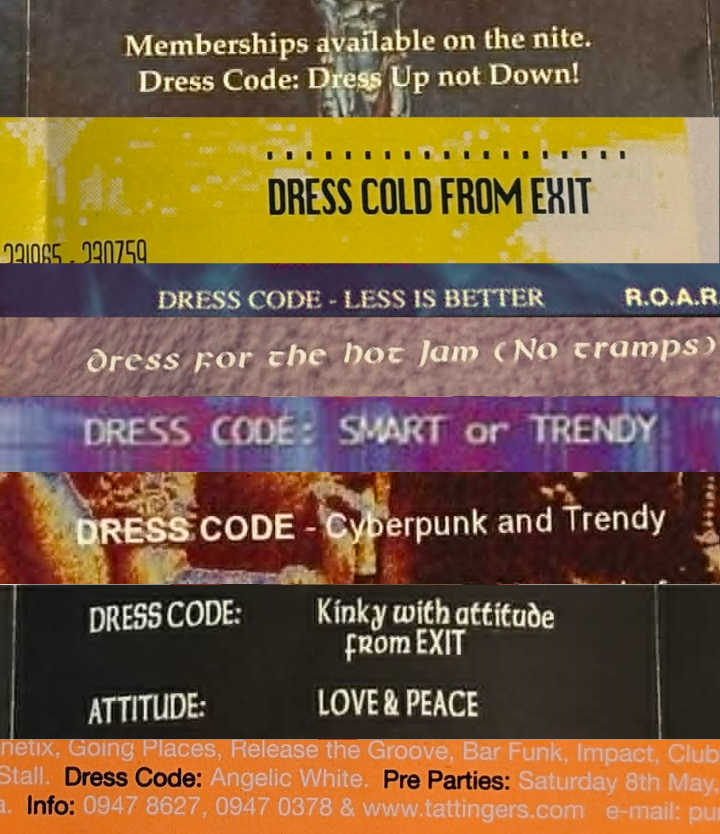
Dress codes played a significant role. There was real attention to detail around what to wear to each event, and this added to the sense of occasion.
Megatech, one of the record stores that opened during the decade, also sold event tickets, and it was there that the late Desmond Vella of Exit Promotions had a small corner selling T-shirts, bracelets, and other items. He would guide ticket buyers on what to wear to match each event’s dress code, and went on to become an important influence on how people dressed during that era.
How Promoters Spread the Word
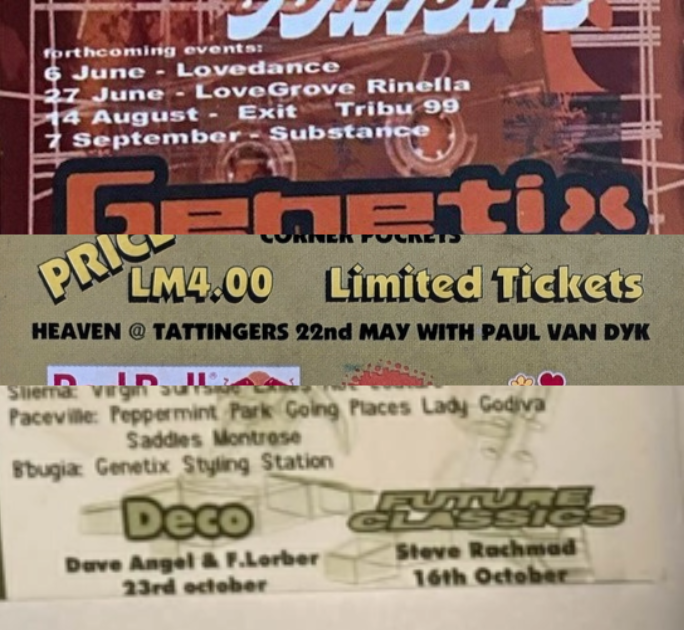
With no internet or social media, flyers were the primary promotional tool. Promoters would hand them out outside clubs as they closed, and place them on car windscreens in Paceville. It was also common for promoters to feature each other's upcoming events on their flyers, a mutual arrangement that helped everyone reach the right audience. And it was targeted by nature: if someone was already at a party, they were almost certainly the kind of person who would want to go to the next one.
Electronic Music on Maltese Radio
Before the internet changed everything, radio was one of the few windows into the world of electronic music. Among the shows that helped shape the tastes of a generation of Maltese listeners:
- "Hip Hop" by Brian S on Radio 101
- "Techno Nation" by Brian James on Smash Radio
- "Mockmoon" by Brian James and Owen Jay (moved between stations, 1995–1998)
Influence from Abroad
The local scene didn't develop in isolation. Italian DJs Mauro Di Martino and Carlo Di Rosa were regular visitors, and Mauro in particular built a strong reputation locally, having played at some of the earliest electronic parties on the island. UK DJs also made their mark through venues like Freestyle, helping introduce deeper forms of house music to Maltese audiences. The Italian TV show Match Music, hosted by Francesco Zappalà, also played a role in exposing local audiences to new sounds, and Zappalà himself eventually appeared as a guest DJ at Axis.
Building a Community
As the scene grew, so did the infrastructure around it. A number of record stores opened locally during the decade, including Megatech, Idol, and Genetix, giving DJs and music lovers a place to dig, discover, and connect. These spaces became as much social meeting points as they were shops. Idol was the primary source for US imports from Record Time distribution in Detroit, while Genetix was more focused on European techno.
One of the more significant developments of the decade was the opening of a DJ school by David Dee, which gave aspiring DJs a more structured path into the scene. Among those who passed through it were Owen Jay and DJ Ruby, both of whom would go on to become defining names in the local scene. Owen Jay's journey through this era is covered in detail in our story on his origins and early career.
The Artists, Venues, and Promoters That Shaped the Scene
Ever wondered which DJs, venues, and promoters played a part in shaping Malta's 90s electronic scene?
The lists below are drawn directly from our database and show the top five in each category based on how many events they appear on in our records, listed alphabetically.
Venues
Five venues from the decade.
Promoters
Five promoters from the decade.